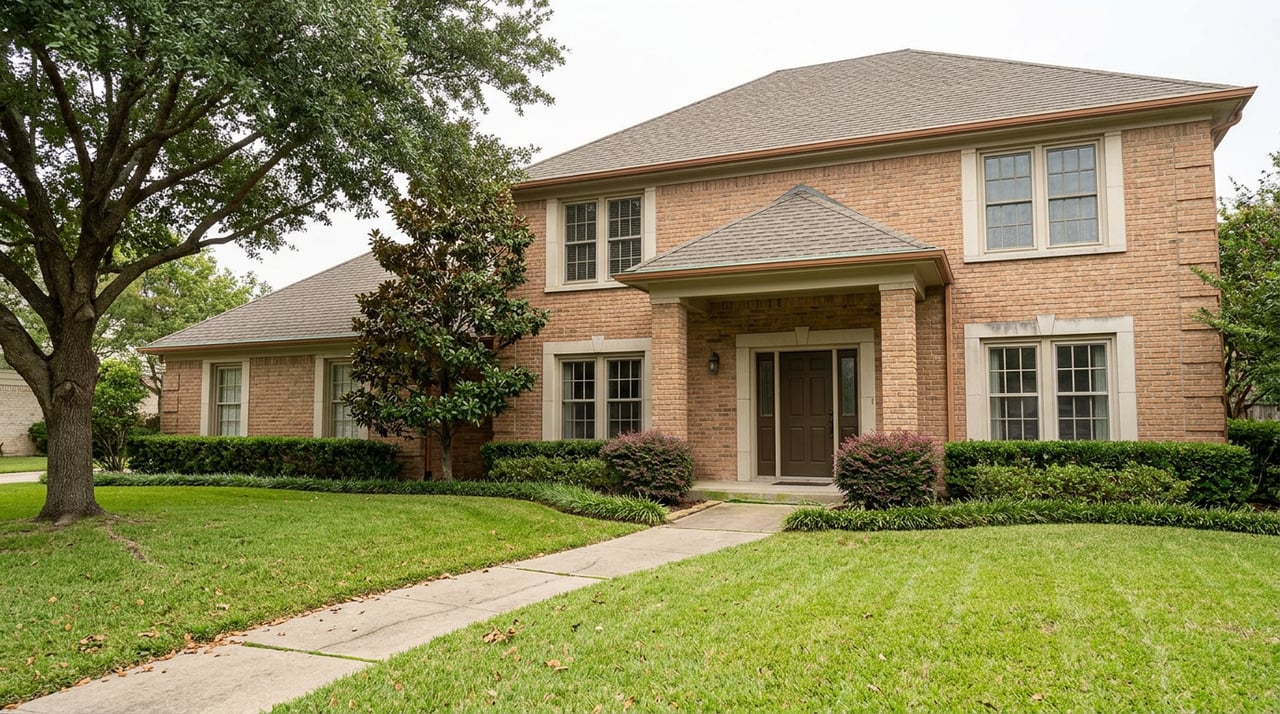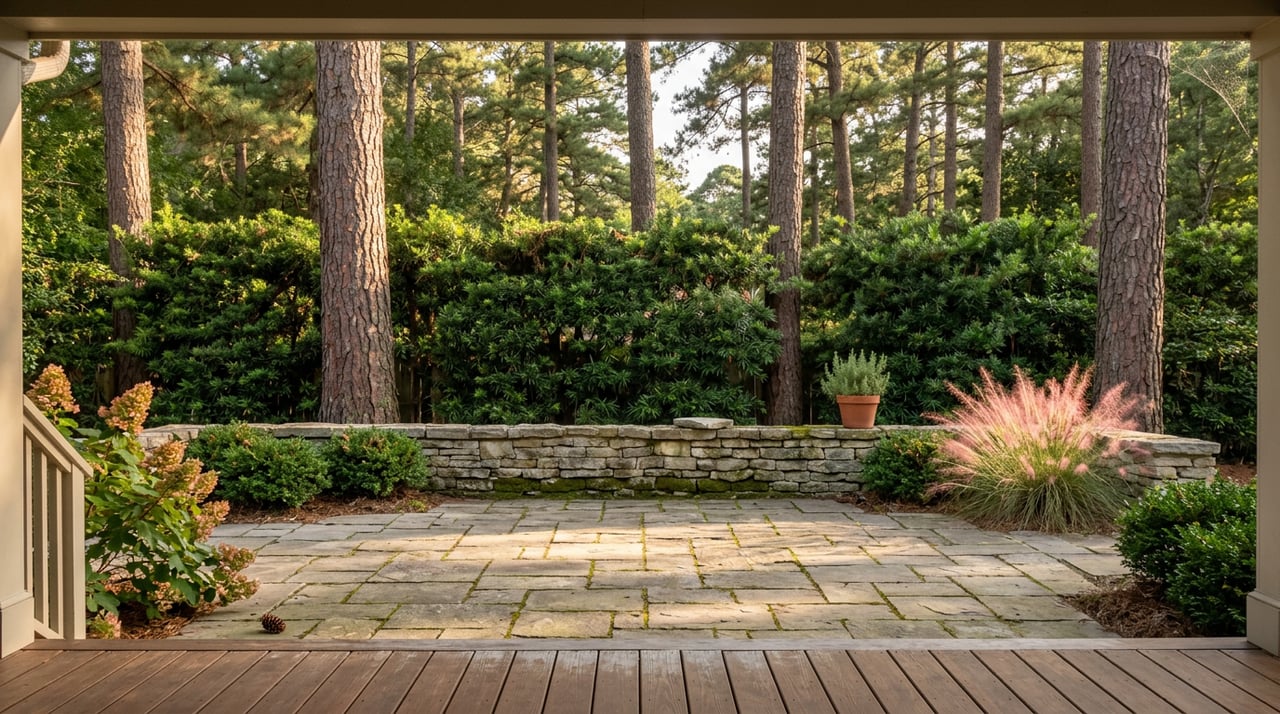
A homeowner in Alden Bridge calls her agent in early June. She wants to swap out a section of aging wood fence before the photographer shows up, nothing dramatic, just a like-for-like replacement so the backyard photographs well. Her agent asks one question first: has she submitted the application to her village's Residential Design Review Committee yet? She hasn't. She assumed a fence repair was the kind of thing you just do. Now she's staring at a calendar, because that committee meets once a month, and if she misses this month's cutoff, her listing date just moved by four weeks.
This is the part of selling in The Woodlands that rarely makes it into generic seller checklists. The bottleneck isn't the buyer, the appraisal, or even pricing strategy. It's a governance calendar that most sellers discover only after they've already scheduled the photographer.
The Approval Layer Most Sellers Don't Budget For
Nearly every property in The Woodlands sits under covenants administered by The Woodlands Township, and the Township's own guidance is direct about what that means in practice: additions, exterior color changes, fence work, decks, patios, sheds, and tree removal above six inches in diameter all require review before work begins. Each developed village has its own Residential Design Review Committee, made up of at least three residents serving one-year terms, and every one of those committees meets at least once a month to review applications.
That monthly cadence is the mechanism sellers miss. It's not that the Township is slow or unreasonable. It's that a homeowner who wants exterior work done before listing photography is working against a fixed monthly clock, not a same-week turnaround. Submit an application the day after a committee meets, and you're waiting for the next one.
What Changed on July 1
This year, the stakes around that clock went up. The Township board voted in April to move forward on an expanded fee schedule for its Covenant Administration Department, holding a public hearing on May 21 before the changes took effect July 1, 2026. According to Community Impact's reporting, the new structure includes a $200 fee for attached-structure permits, a $500 fee to operate a business out of a home, and, for the first time, a $150 penalty per tree removed without covenant approval.
Covenant Administration Director Kim McKenna addressed the tree provision directly, telling the Township board:
"We encourage individuals to contact us first so we can help them in regards to tree removal. We acknowledge it's often because it's hazardous or dead and that that's something we place priority on, but in the instance there's a live tree that's been removed and has not been permitted to do so, we move forward with enforcement action."
For a seller, this matters beyond the dollar amount. A pending enforcement action or an unpermitted change sitting in a property's covenant file is exactly the kind of thing that surfaces during a buyer's due diligence, and exactly the kind of thing that's cheaper to resolve before you list than to explain during option period.
| What changed July 1, 2026 | Fee |
|---|---|
| Attached structure permit | $200 |
| Home business operation permit | $500 |
| Tree removed without covenant approval | $150 per tree |
Why the Timing Math Is Different This Year
Here's the part that turns a bureaucratic detail into a real financial variable: the market itself has slowed enough that a lost month actually costs something now.
Houston Association of Realtors data for The Woodlands showed a median single-family sale price of $634,400 in February 2026, with homes spending a median of 19 days on market, a meaningful step up from the roughly 7 to 9 days homes were moving in spring 2025. On the luxury end, anchored by the 77382 zip code, the pattern holds: days on market moved from about 7 in 2025 to 12 in 2026, alongside a median sale price near $880,000, up from $788,000 a year earlier, an 11.7 percent increase that pushed the $900,000 range into what's now a common price point for premium addresses.
Put those two numbers next to each other and the picture is clear. Homes are selling for more, but they're taking longer to do it. In a market where listings moved in a week, a homeowner who lost a month waiting on a committee meeting barely noticed, because the whole process was fast anyway. In a market where the median home sits for two and a half to three weeks, and luxury inventory sits closer to two weeks, a month spent waiting on paperwork is a meaningfully larger share of the total selling timeline than it was twelve months ago.
The Village Effect
Not every part of The Woodlands is playing by the same supply rules, and that's worth understanding before you assume your neighbor's timeline applies to you. The community's 28,500 acres carry a contractual requirement, tied to the original Howard Hughes development agreement, that 28 percent of the land remain permanently undeveloped green space. That covenant is part of why homes in areas like Carlton Woods back up to protected tree cover rather than fences, and it's also why inventory above $800,000 stayed tight enough in 2026 to register around 3.5 months of supply, a level that keeps upward pressure on price even as days on market tick up.
Meanwhile, The Woodlands spans two counties, with most villages and Town Center in Montgomery County and Creekside Park in Harris County, which means comparable sales analysis has to work at the village level rather than leaning on one countywide average. A seller in a high-scarcity pocket like 77382 is operating under different supply dynamics than a seller in a village with more typical turnover, even though both are subject to the same covenant approval process before they can touch a fence or a tree.
A Realistic Pre-Listing Timeline
If you're planning to sell in the next few months and any exterior work is on your list, work backward from your village's meeting schedule rather than forward from a target listing date.
- Confirm your village's Neighborhood Criteria first. Requirements vary by village and sometimes within a village, so check the specifics for your lot before assuming a past neighbor's approval applies to you.
- Submit applications for fences, paint, decks, or tree removal at least one full committee cycle before you want work started. Since RDRCs meet monthly, a missed cutoff means a 30-day delay, not a few days.
- Budget the new permit fees into your prep costs. A $200 attached-structure permit or a $150-per-tree fee is a small line item, but only if you plan for it rather than discovering it mid-project.
- Wait for written approval before starting work. The Township's own guidance is explicit that projects may begin only after written notification of approval, and inspections along with a refundable compliance deposit are part of the process for many project types.
- Schedule photography after approved work is complete, not before. A partially finished fence or a freshly removed tree with an open enforcement question is not the frame you want in your listing photos.
What Goes on the Sign, and When It Comes Down
Once you clear the covenant work, the listing mechanics themselves come with Township-specific rules worth knowing. Current residential standards allow one real estate sign per single-family lot, capped at 6 square feet, plus one open house sign while the home is actively shown, and that sign must come down within seven days of closing. On the paperwork side, Texas sellers of previously occupied single-family homes are required to provide the Seller's Disclosure Notice under state law, and as of January 1, 2026, agents are required to deliver the current Information About Brokerage Services form at first substantive contact with a buyer. None of this replaces legal advice on your specific transaction, but it's the baseline every Woodlands seller should expect their agent to walk them through before a sign ever goes in the yard.
FAQ
Does every exterior change require covenant approval, even small ones? The Township's guidance treats most visible changes as requiring review, including fence replacement, exterior paint or re-staining even in a previously approved color, decks, patios, sheds, and removal of any tree greater than six inches in diameter. When in doubt, check with your village's committee before starting.
How long does covenant approval actually take? Applications are reviewed by the relevant committee, which meets monthly per village. Beyond the committee's monthly cycle, the Township notes that drainage, access routes, and tree-removal questions are all considered as part of the review, so building in time beyond just the meeting date is wise.
Do the new fees apply to work already completed before July 1, 2026? The fee schedule took effect July 1, 2026, following the Township board's April 23 vote and May 21 public hearing. If you're planning new exterior work now, the current fee schedule applies.
If you're weighing a listing date in The Woodlands and want a clear-eyed read on which of these steps applies to your specific village and timeline, The Mike Seder Group has spent three decades inside this market's builder relationships and covenant process. Schedule Your Concierge Consultation and we'll map your prep timeline against your village's actual meeting calendar, not a generic checklist.