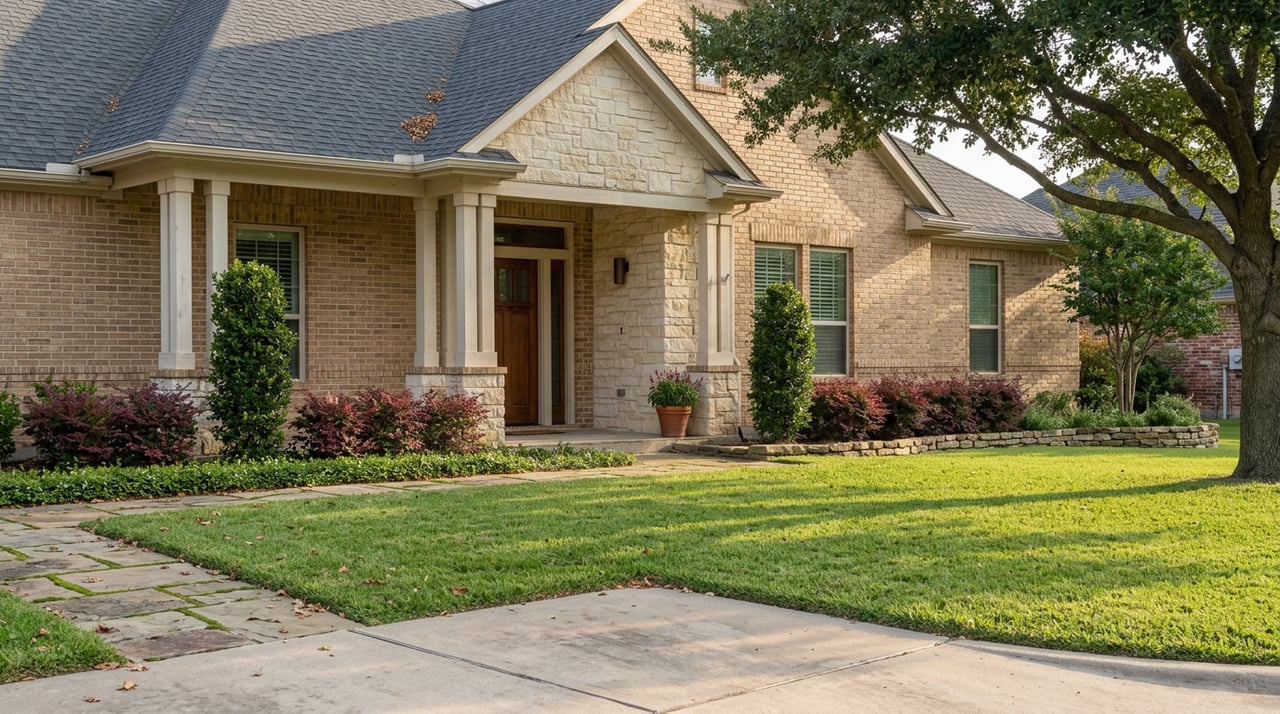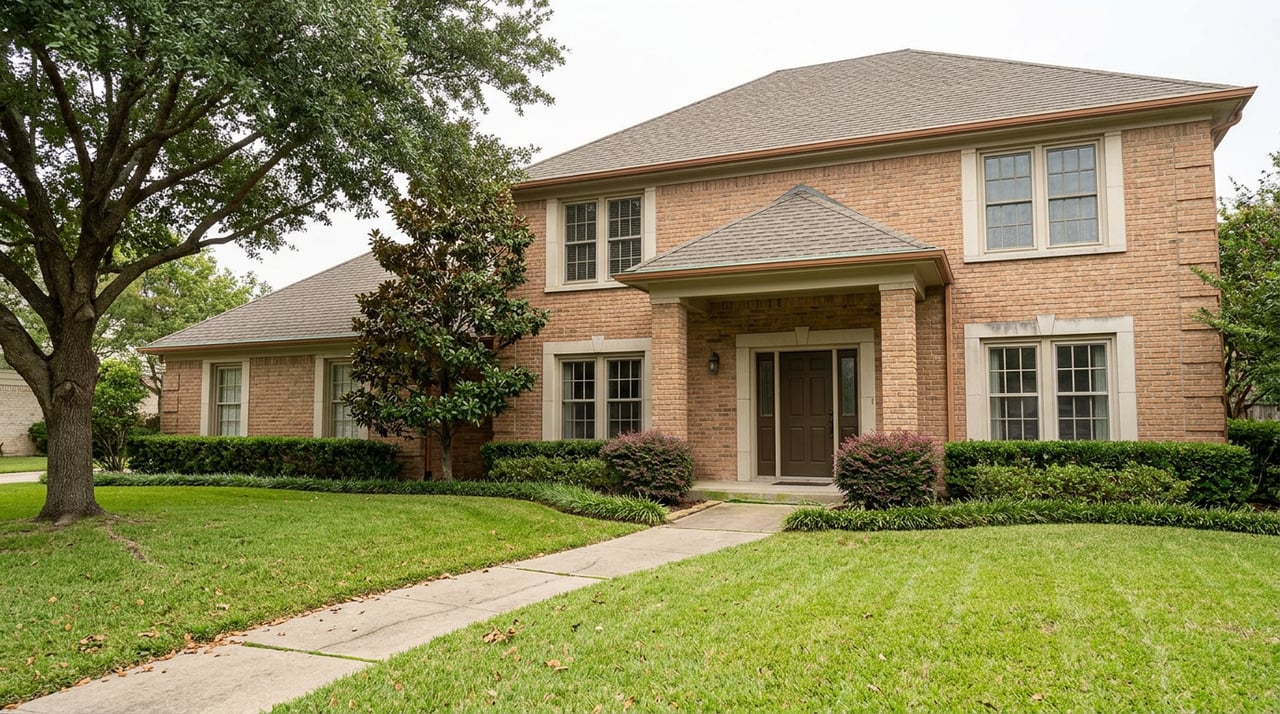
Picture two Tomball buyers touring homes on the same Saturday. Both find a $500,000 house they love. Both homes sit inside the Tomball Independent School District boundary, both are ten minutes from Highway 249, both look nearly identical on paper. Yet one of these buyers will pay roughly $200 more every month than the other, and it has nothing to do with the house itself.
The difference lives in a line most buyers skim past on the closing disclosure: the Municipal Utility District, or MUD. It's the piece of the tax bill that moves the most, moves the fastest, and gets the least attention from anyone showing the home.
What Two Tomball Addresses Actually Pay
Three well-known Tomball-area communities illustrate the spread. All three are zoned to Tomball ISD. None of them are in the same taxing situation.
| Community | County | School District Rate | MUD or Special District | Combined Rate (recent tax year) |
|---|---|---|---|---|
| Canyon Gate at Northpointe | Harris | Tomball ISD, about 1.06% | Northwest Harris County MUD 15, about 0.47% | approximately 2.33% |
| Wildwood at Northpointe | Harris | Tomball ISD | MUD plus Lone Star College | approximately 2.89% |
| Woodtrace | Montgomery | Tomball ISD, $1.0629 per $100 | MUD plus Montgomery County Hospital District, Lone Star College | approximately 2.8% |
Run that spread against a $500,000 assessed value and Canyon Gate's owner pays around $11,650 a year. Woodtrace's owner pays closer to $14,000. Wildwood's owner lands near $14,450. That's a gap of roughly $2,350 to $2,800 a year, before either owner has changed a single thing about the property.
The house didn't cause that gap. The district underneath it did.
The Piece Nobody Bids On
A MUD isn't a homeowners association and it isn't optional. It's a political subdivision the developer sets up to front the cost of water, sewer, and drainage infrastructure before a city system reaches that land. The district issues bonds to build the pipes and streets, then every home inside its boundary repays that debt through a tax line that sits separate from the county, school, and city rate.
Because Tomball has grown outward faster than city infrastructure could always keep pace, MUDs cover a large share of the newer subdivisions on both sides of the Harris and Montgomery county line. That's normal. What isn't well understood is that the rate isn't fixed to the neighborhood. It's fixed to how much of that specific district's bond debt is still outstanding and how many rooftops are sharing the payment.
The Rate Actually Moves
Here's the part a listing sheet won't show: these rates change, sometimes within a single year.
Harris County MUD 368, a district based in Tomball, adopted a rate of $0.54 per $100 of value in one recent board notice, down from $0.58 the year before. That's a four-cent cut from a single board vote, driven by the district's debt service math, not by anything happening to home values.
Zoom out further and the same pattern shows up inside the named communities above. A few years back, Woodtrace's combined rate sat closer to 3.4%. Wildwood at Northpointe's sat in a similar band. Both have since settled closer to 2.8% and 2.89% as their original bond debt got paid down and spread across more completed homes. Neither community changed. The debt behind them did.
That cuts both ways. A district that issues new bonds for a later phase of development can push the rate back up just as easily as an older, fully built-out district can let it drift down. The number you see today is a snapshot of debt service, not a permanent feature of the address.
The Bond That Didn't Raise Your Bill
Compare that volatility to what happened on the school district side. Tomball ISD asked voters to approve a $429 million bond package across four propositions in May 2025, covering a new intermediate school campus, a second Pre-K center, and safety and technology upgrades. Voters passed all four. The district's own position, stated before the election, was that the total tax rate would not increase as a result.
"Our Board is fiscally conservative and with no tax rate increase modeling, all members placed their support of student outcomes."
That's Tomball ISD Board President Dr. Michael J. Pratt, describing the debt capacity planning behind the bond. The math works because Tomball ISD spans a large tax base across two counties and thousands of properties, so a bond that size gets absorbed without moving the rate most homeowners actually pay.
A MUD doesn't have that scale. It might cover a single subdivision of a few hundred homes. When that district needs to fund a new phase, there's no large tax base to absorb it quietly. The rate moves, and it moves fast, because the math is local in a way a school district's math usually isn't.
The Form That Can Unwind Your Contract
Texas law treats this seriously enough to require a specific disclosure. If a property sits inside a MUD, the seller has to hand the buyer a written notice covering the tax rate, bonded debt, and any standby fees before the contract gets signed. Miss that window and the buyer has the right to walk away from the deal.
The rules around that notice changed in 2023. Legislation passed that year rewrote the required language for clarity and, starting June 18, 2023, required MUDs to post the notice directly on their own websites rather than leaving buyers to track it down through a title company. That means a serious Tomball buyer can now look up a specific district's bonded debt and rate history before an offer ever gets written, not after.
A Short List Before You Compare Two Addresses
- Pull the current combined rate for the exact address, not the neighborhood's marketing page, through the county tax office. Harris County's tax rate lookup and Montgomery County's public tax notices both post this by taxing unit.
- Identify which specific MUD or special district covers that address, then check that district's own site for its bonded debt and rate trend.
- Look at the last three to five years of that district's rate, not just this year's number. A recent cut usually means bond debt amortizing. A recent increase usually means a new bond just priced.
- Ask for the MUD Notice to Purchaser early in the process rather than waiting for it to show up at the closing table.
- Run the same dollar math on every serious address, using assessed value rather than list price, so the comparison is apples to apples.
A Few Quick Answers
Does a lower MUD rate mean the community is older? Usually, but not always. It typically means more of that district's original bond debt has been retired and spread across more completed homes. A district can still issue new bonds for a later phase and push the rate back up.
Could the Tomball ISD rate change even though the 2025 bond didn't raise it? Yes. School boards set the rate annually based on debt service and state formulas. A future bond election or a shift in the district's overall tax base could still move it, even without a new bond vote today.
Where do I actually find the MUD notice before writing an offer? Since the 2023 changes, districts are required to post it on their own websites. The Texas Real Estate Research Center at Texas A&M has a clear breakdown of what that notice must contain and when a seller has to deliver it.
The list price on a Tomball home tells you what the seller wants. It doesn't tell you which taxing district is standing behind the water and sewer lines, or how much of that district's debt you're about to start repaying. That number lives in a separate document, changes on its own schedule, and rarely gets mentioned in the same breath as square footage.
If you're comparing specific Tomball addresses and want the real monthly number worked out before you write an offer, The Mike Seder Group can pull the current rate for the exact property and walk you through what it means for your budget. Schedule Your Concierge Consultation and get the full picture before you decide which side of the line you want to be on.