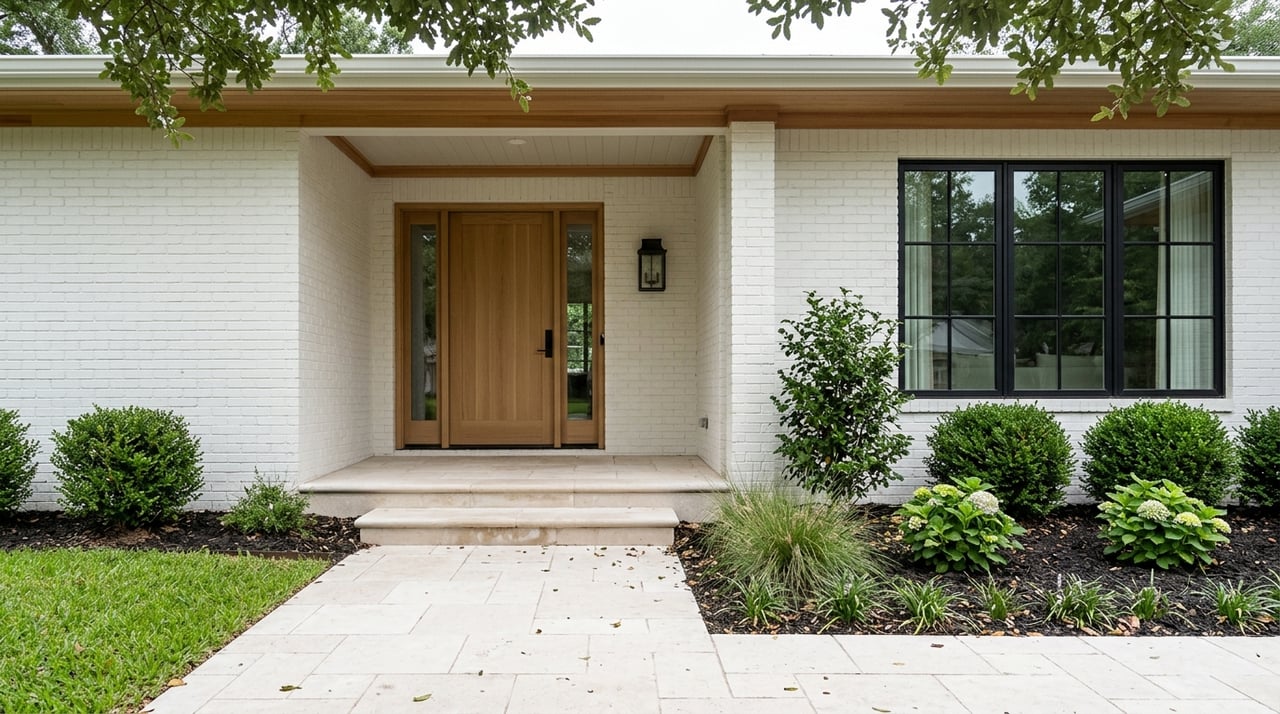
If you are planning to sell in Spring, Texas, this year, you may be wondering whether it is still possible to stand out and sell well in a market that feels less frenzied than it did a few years ago. That is a fair question, especially when buyers are watching rates closely, comparing more options, and negotiating harder. The good news is that you can still put yourself in a strong position with the right pricing, preparation, and offer strategy. Let’s dive in.
Spring market conditions matter
Selling your home in Spring is not about chasing the kind of seller's market headlines you may remember from 2021. Recent local data points to a more balanced market, where condition, location, and price all carry real weight.
HAR reported a June 2026 median price in Spring of $389,000, with 1,958 listings and 34 days on market. In the broader Spring/Klein/Tomball market area, HAR reported 3.3 months of inventory, 39.8 days on market, and a median sold price of $418,297 in April 2026. Those numbers show that buyers are active, but they also have choices.
Texas data tells a similar story. In February 2026, homes across the state spent an average of 82 days on market, active inventory reached 4.8 months of supply, the median seller price cut was $16,900, and the median sale-to-list ratio was 0.95. For you as a seller, that means realistic expectations matter from day one.
Price for your exact Spring pocket
One of the biggest mistakes sellers make is choosing a list price based on hope instead of evidence. In Spring, pricing is highly local, which means your home should be evaluated against nearby recent sales, not just against what other sellers are asking.
Active listings can show you the competition, but sold comps are the better anchor for pricing. They reveal what buyers actually agreed to pay, which is much more useful in a market where negotiation is common.
Your list price should also reflect the details that buyers notice right away. That includes your home's condition, lot characteristics, updates, layout, and where it sits within the Spring area. Two homes with similar square footage can perform very differently if one feels move-in ready and the other feels like a project.
Why overpricing can cost you
When a home comes to market too high, buyers often recognize it quickly. Instead of creating urgency, an inflated price can lead to fewer showings, a longer stay on the market, and tougher negotiations later.
That matters even more in a market where buyers are rate-sensitive. HAR reported that 42% of Houston-area households could afford a median-priced home in the first quarter of 2026, with an average 30-year fixed rate of 6.18% for the quarter. Freddie Mac reported the 30-year fixed rate at 6.47% on June 18, 2026, which helps explain why many buyers are careful and selective.
Think in net proceeds, not just list price
A strong sale is not only about the number on the front page of an offer. You also need to consider repairs, concessions, and closing-cost requests because all of those affect your bottom line.
In a balanced market, buyers may ask for help with costs or use inspection findings to negotiate. Looking at the full picture from the start can help you avoid surprises and choose the offer that truly works best for you.
Prep your home for selective buyers
In a market with more inventory and more comparison shopping, presentation matters. Buyers do not just want a clean house. They want a home that feels easy to understand, easy to picture themselves in, and easy to say yes to.
That is where staging and thoughtful prep can make a real difference. According to 2025 guidance from NAR, buyers' agents said staging makes it easier for buyers to visualize a property as a future home, and about half of sellers' agents said staging reduced time on market.
You do not always need a full redesign to improve your result. In many cases, the smartest approach is to simplify, brighten, and remove distractions so buyers focus on the home itself.
Focus on the areas buyers notice first
For most Spring listings, the highest-impact prep work starts with the spaces that shape a buyer's first impression and daily-living picture. That usually includes:
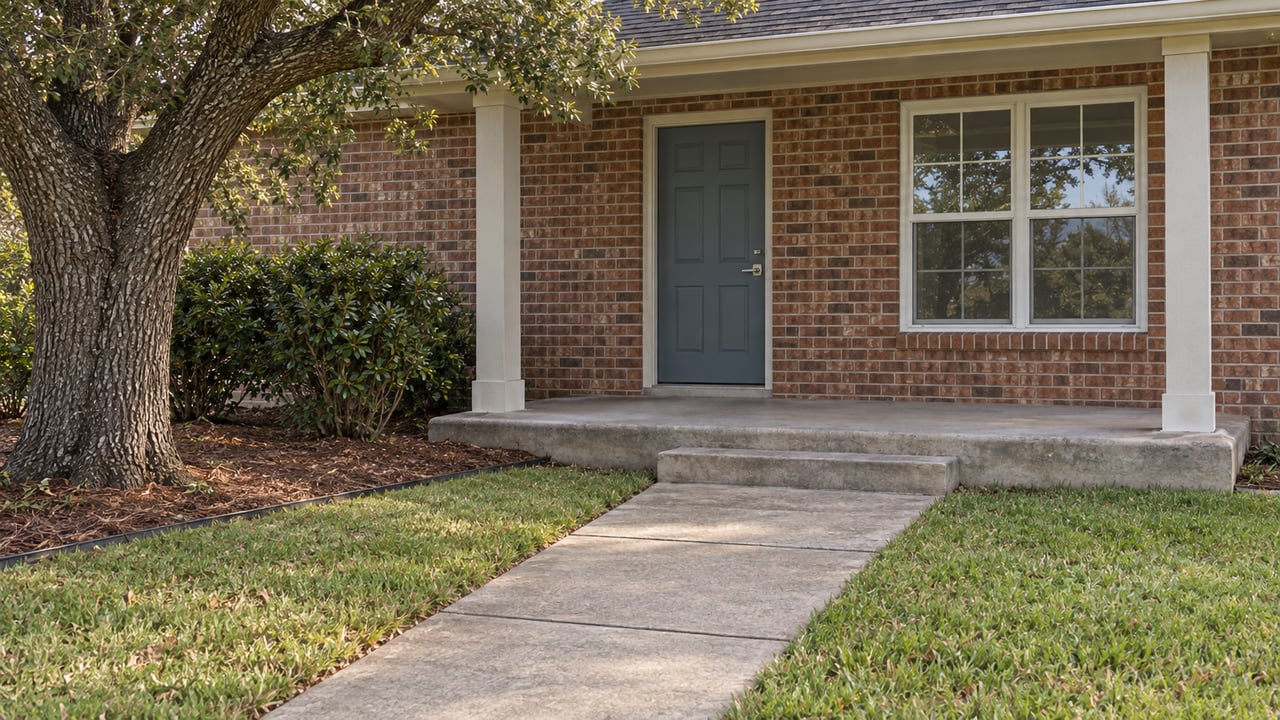
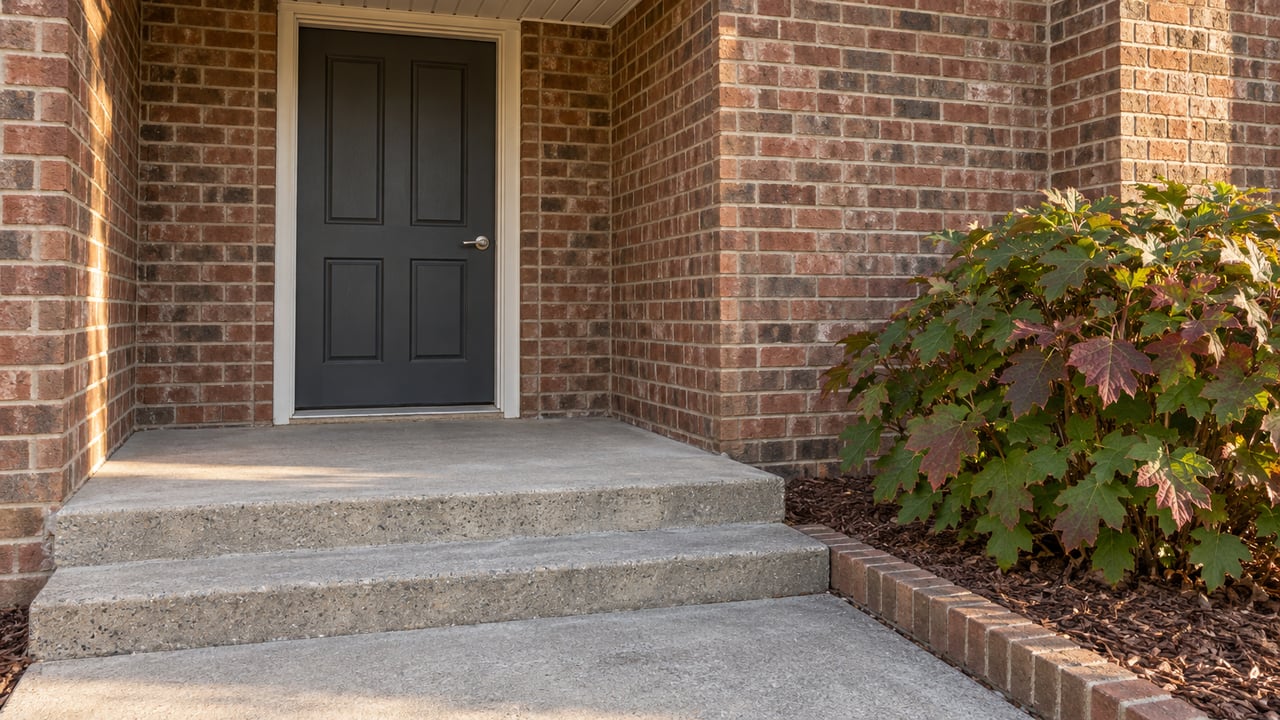
- Front entry
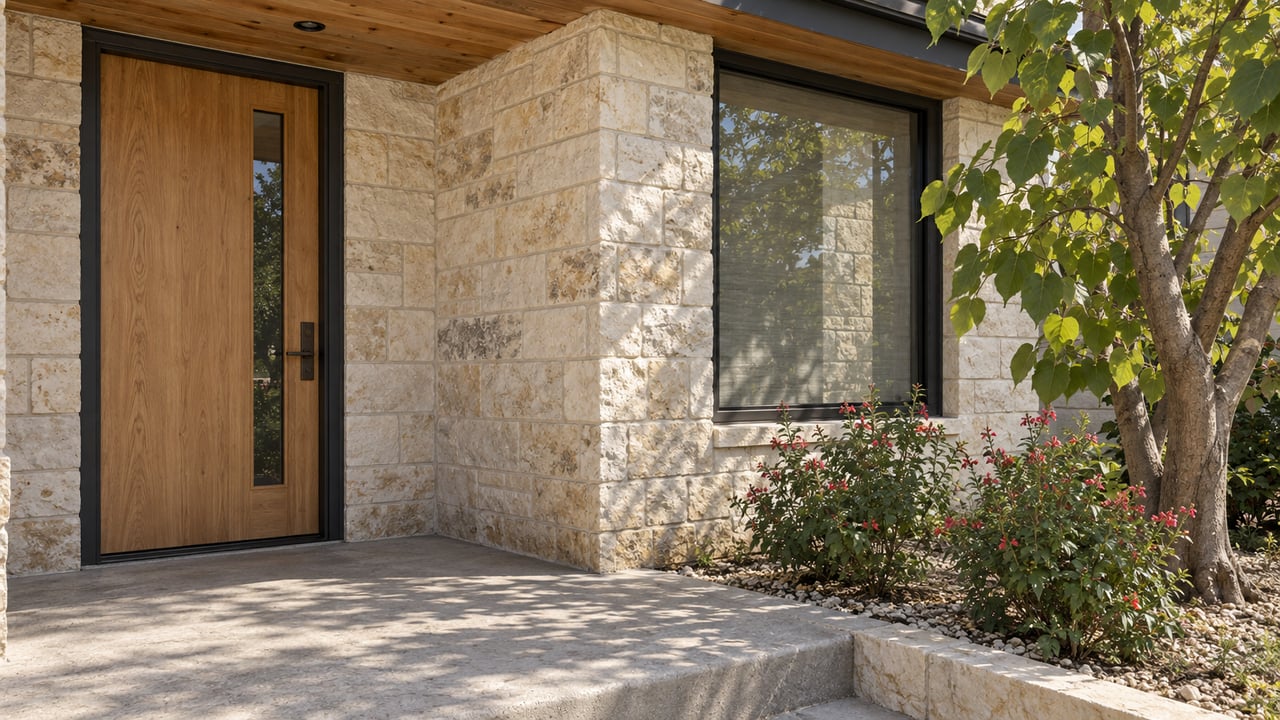
- Curb appeal
- Living spaces
- Primary bedroom
- Kitchen
- Closets
These spaces help buyers decide whether the home feels cared for, functional, and worth the asking price. If these areas feel crowded, worn, or overly personalized, buyers may mentally add cost and effort before they ever write an offer.
Simple staging moves that help
NAR's guidance supports a practical seller checklist that works well in Spring:
- Declutter surfaces and storage areas
- Use neutral paint colors where touch-ups are needed
- Remove bulky furniture that makes rooms feel smaller
- Refresh towels and bedding
- Clean and simplify the front entry
- Tidy landscaping and improve curb appeal
- Keep closets about half full rather than packed
These updates are not just cosmetic. They help reduce buyer friction in a market where people are comparing your home against other available options.
Use virtual staging carefully
If a room is empty or feels dated, virtual staging can help buyers understand its potential. Still, the photos should present a true picture of the home, and any material alteration should be disclosed.
That balance matters because trust matters. Buyers respond best when the marketing is polished but still accurate.
Timing helps, but it is not everything
Many sellers want to know the perfect week to list. National 2026 research from Realtor.com identified April 12 through 18 as the best week to list, noting that homes listed then have historically received 16.7% more views, sold about 9 days faster, and faced 11.9% fewer sellers than average.
That is useful context, especially since the report noted that sellers in the South and West may benefit more from optimizing timing because inventory is relatively more abundant there. Still, timing is only one piece of the puzzle.
A well-prepared listing can still perform outside the exact peak week if the price is well supported and the home shows well. On the other hand, great timing usually cannot rescue a home that is overpriced or poorly presented.
When to list in Spring
If your home is nearly ready, spring can still be a strong window because buyer activity tends to be healthy and yards often show better. But waiting for a perfect date may not be worth it if your home is ready now and the local competition is manageable.
The better strategy is to launch when three things are aligned:
- Your price matches the market
- Your home is clean and presentation-ready
- Your marketing is set up to make a strong first impression
Compare offers the Texas way
Once offers start coming in, the highest number is not always the best choice. In Texas, contract terms can affect both your net proceeds and the chances of closing on time.
Under the TREC residential contract, buyers have an unrestricted right to terminate during the option period if notice is given by 5:00 p.m. If they terminate on time, the option fee is not refunded and earnest money is returned. That means an offer with a long option period may carry more uncertainty than one with cleaner terms.
The appraisal addendum also matters. It can give buyers termination rights if the lender's appraisal comes in below a stated value, which can create added risk for sellers in price-sensitive situations.
What to review in every offer
When you compare offers, look beyond the sale price and review:
- Net proceeds after concessions or credits
- Financing strength
- Option period length
- Earnest money and option fee amounts
- Appraisal-related risk
- Requested repairs or contract contingencies
- Proposed closing timeline
A lower offer with stronger terms may be more appealing than a higher offer with more ways for the buyer to renegotiate or walk away. Certainty has value, especially in a market where homes can sit longer if a deal falls apart.
Your Spring selling playbook
If you want the short version, the winning formula in Spring is simple. Price tightly, prep thoughtfully, and evaluate offers with a clear eye on both money and risk.
This is where local knowledge really matters. Spring is not one uniform market, and small differences in neighborhood competition, home condition, and buyer demand can change the right strategy for your sale.
With the right guidance, you can avoid the common traps of overpricing, underpreparing, or overvaluing a flashy first offer. A smart plan gives you a better chance to sell with less stress and a stronger outcome.
If you are thinking about selling in Spring, The Mike Seder Group can help you build a pricing, prep, and marketing strategy tailored to your home and your goals.
FAQs
Is Spring, Texas still a seller's market for homeowners?
- Spring appears more balanced than the peak pandemic market, with active buyers still in the market but more listings, more comparison shopping, and more negotiation than in 2021.
Should I wait for peak spring timing to list my home in Spring?
- Not necessarily. Timing can help, but a well-priced, well-prepared home can still perform strongly outside the exact peak week.
What matters most in an offer when selling a home in Texas?
- The best offer is not always the highest price. You should compare net proceeds, financing strength, option period terms, appraisal risk, contingencies, and the likelihood of closing smoothly.
How much staging do I need before listing my Spring home?
- In many cases, you do not need major redesign work. Decluttering, neutralizing, cleaning key rooms, improving curb appeal, and making the home easier to picture as someone else's future home are often the most important steps.
Why is pricing so important when selling a home in Spring?
- Local data suggests that overpricing can lead to more time on market and more pressure for price cuts later, while a well-supported price is more likely to attract serious buyers early.