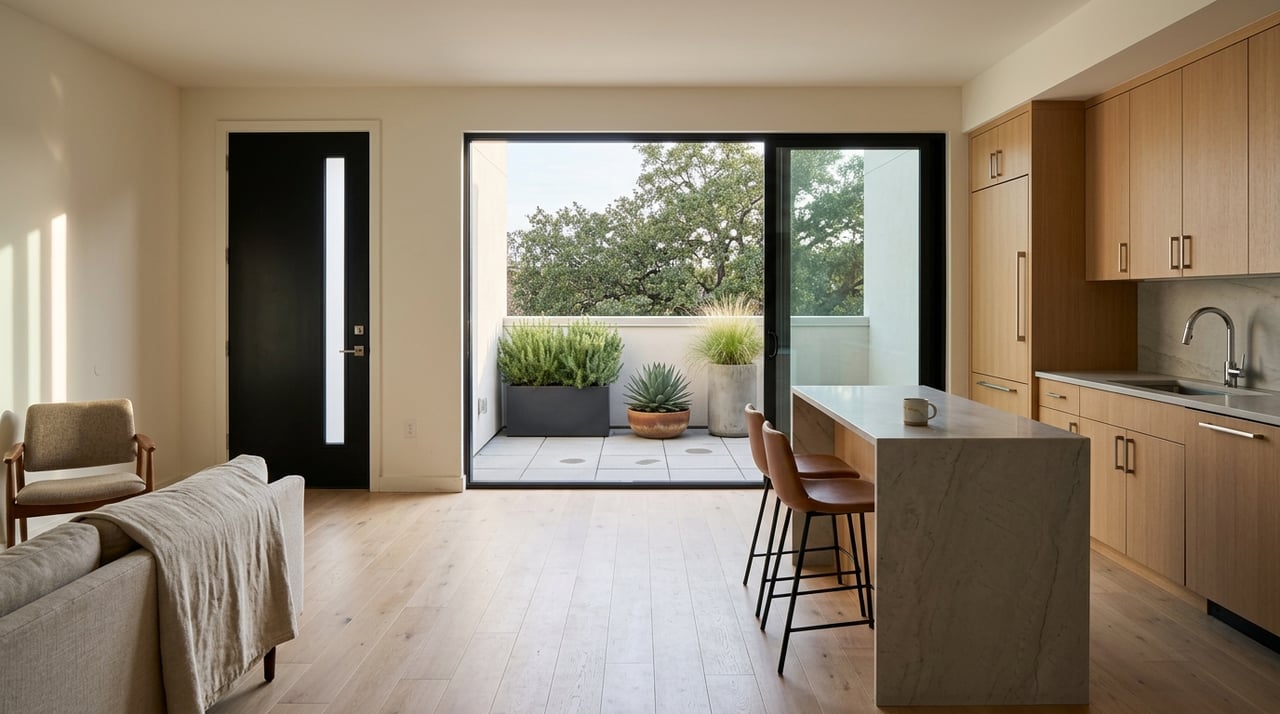
Thinking about an Austin second home from the Houston area? You are not alone, and today’s market gives you more room to think strategically than buyers had during the peak frenzy years. Whether you want a simple lock-and-leave condo, a central Austin bungalow, or a newer attached home with easier upkeep, understanding the neighborhood fit matters just as much as the property itself. Here’s a clear snapshot of what to know before you buy.
Austin Market Conditions
Austin’s housing market looks more balanced than it did during the most competitive stretch of recent years. In May 2026, the City of Austin reported a median residential home price of $595,000 with 4.4 months of inventory, while Travis County reported a median of $535,000 with 4.8 months of inventory.
That balance can help you if you are shopping for a second home from Houston. Instead of rushing into a decision, you may have more time to compare neighborhoods, building types, and maintenance needs based on how you plan to use the home.
Why Austin Works for Second-Home Buyers
For many Houston-area buyers, Austin offers an easy-use option for weekend visits, business travel, concerts, sporting events, and time with family and friends. The appeal is often less about owning a large full-time home and more about having a convenient place that matches your lifestyle.
In Austin, the best fit usually comes down to how much privacy, space, walkability, and upkeep you want. In other words, your neighborhood choice often shapes your second-home experience more than anything else.
Best Austin Areas to Consider
Downtown and Rainey
Downtown Austin, including areas like Rainey, the Warehouse District, and 2nd Street, is one of the clearest lock-and-leave choices in the city. It offers strong walkability, entertainment access, and a wide range of transportation options, including bus, rail, rideshare, bikes, scooters, and parking.
If you picture a second home that lets you arrive for a few days and enjoy the city with minimal upkeep, this area deserves a close look. The setting naturally points many buyers toward condo-style ownership or loft-style living.
Clarksville and Tarrytown
If you want a quieter central location, Clarksville, Old West Austin, and Tarrytown may feel more comfortable. Clarksville is known for its historic character, landmarks, hilly streets, and homes that include bungalows, while Tarrytown is associated with Lake Austin landmarks and scenic views.
These neighborhoods often appeal to buyers who want more traditional residential surroundings near central Austin. You may find the character and privacy of a smaller single-family home or attached residence more appealing here than a tower setting downtown.
South Congress and Zilker
South Austin brings a different feel, with local businesses, live music, shopping, dining, and outdoor access all playing a major role. South Congress is especially known for walkability, coffee shops, and dining, while Zilker Park and Barton Creek Greenbelt anchor the area with major outdoor recreation.
For a second-home buyer, this part of Austin can suit a more relaxed residential lifestyle with access to activity when you want it. Many buyers are drawn to the idea of bungalows, cottages, or newer attached homes in these neighborhoods.
East Austin and Mueller
East Austin offers variety. Areas like East Cesar Chavez and East Sixth are known for dining, live music, and late-night energy, while Mueller offers a more planned setting with a central park, swimming pond, trails, and a Sunday farmers market.
That contrast matters if you are choosing between a more active urban experience and a neighborhood with built-in amenities and an easier maintenance profile. Buyers looking for updated bungalows, townhomes, or condos often keep this side of Austin on their list.
Common Second-Home Property Types
Lock-and-Leave Condos
Condos are often the most straightforward second-home option in Austin. They tend to work well for buyers who care most about convenience, lower day-to-day maintenance, and close access to downtown destinations.
This is especially true in and around Downtown, Rainey, the Warehouse District, and newer central Austin developments. If you do not want to think about yard work or the demands of a larger home, condos are often the first category to explore.
Historic Bungalows
If charm and character matter more to you than a fully urban setup, a historic bungalow or smaller single-family home may be a better match. Clarksville is a strong example of the kind of central neighborhood where buyers find that older Austin character.
This property type can offer more privacy and a more traditional residential feel. It can also mean more upkeep than a condo, so it helps to weigh how often you plan to visit and how hands-on you want ownership to be.
Townhomes and Newer Attached Homes
Townhomes and newer attached homes often sit in the middle. They can offer a lighter-maintenance lifestyle than a detached house, but with more separation and neighborhood feel than a high-rise condo.
Mueller and parts of East and central Austin are useful examples of where this kind of ownership may fit well. For many second-home buyers, that balance is exactly the point.
How to Choose the Right Fit
Before you narrow your search, think about how you will actually use the property. A home for quick weekends and event trips may call for a different setup than a home you plan to use for longer stays throughout the year.
Ask yourself a few practical questions:
- Do you want to walk to dining, entertainment, or events?
- Would you rather have privacy and classic neighborhood character?
- How much upkeep are you comfortable managing from Houston?
- Do you want a full-service condo feel, or something more residential?
- Is outdoor access a priority when you are in town?
The clearer your answers are, the easier it becomes to match the right Austin area with the right property type.
Key Texas Ownership Considerations
Homestead Exemption Rules
If the Austin property will be your second home, it generally will not qualify for the general residence homestead exemption. Texas Comptroller guidance states that the exemption requires the home to be your principal residence, and you must state that you do not claim another residence homestead in or outside Texas.
That matters because ownership costs can look different for a second home than for a primary residence. It is an important part of your budgeting process before you buy.
Short-Term Rental Rules
If you think you may want rental flexibility later, pay close attention to Austin’s short-term rental rules. The city regulates short-term rentals as residences rented for fewer than 30 consecutive days, and licenses them annually through Austin Development Services Code Compliance.
That means your future options are shaped by city rules, not just market demand. If rental use is part of your long-term plan, it is worth reviewing early in your search.
Condo Document Review
If you are leaning toward a condo, documents matter. Texas law requires a condominium declaration to include restrictions on use, occupancy, or transfer of units.
For second-home buyers, that makes document review especially important. If flexible use is part of your decision, you will want to understand those restrictions before moving forward.
What Houston-Area Buyers Should Keep in Mind
Buying an Austin second home is rarely just about price or square footage. More often, it is about choosing the right balance between convenience, upkeep, location, and the way you want to spend your time when you are there.
Today’s more measured market gives you a chance to make that decision with care. If you are comparing Austin neighborhoods from Houston, a team with local market knowledge and second-home perspective can help you narrow the options and avoid costly mismatches.
Whether you are exploring a downtown condo, a classic central Austin bungalow, or a newer attached home in a planned district, the goal is the same: finding a property that fits how you want to live, travel, and own. When you are ready for a team-backed, concierge approach, connect with The Mike Seder Group.
FAQs
What is the current Austin housing market like for second-home buyers?
- Austin’s market is more balanced than during the peak competitive years, with May 2026 inventory at 4.4 months in the City of Austin and 4.8 months in Travis County, giving buyers more time to compare options.
Which Austin neighborhoods are best for a lock-and-leave second home?
- Downtown, Rainey, the Warehouse District, and 2nd Street are among the clearest lock-and-leave choices because of walkability, transportation access, and condo-style living options.
Which Austin areas may suit buyers who want a quieter second home?
- Clarksville, Old West Austin, and Tarrytown may appeal to buyers who want a quieter central setting with more traditional residential character.
What property types are common for Austin second homes?
- Common options include downtown condos, loft-style units, historic bungalows, smaller single-family homes, townhomes, and newer attached homes depending on the neighborhood.
Can an Austin second home qualify for a Texas homestead exemption?
- In general, no. The general residence homestead exemption applies to your principal residence, not typically to a second home.
What should buyers know about renting out an Austin second home?
- Austin regulates short-term rentals as residences rented for fewer than 30 consecutive days, and those rentals are licensed annually through the city.
Why do condo documents matter for an Austin second home purchase?
- Condo declarations can include restrictions on use, occupancy, or transfer, so reviewing those documents is important if you want flexibility in how you use the property.